
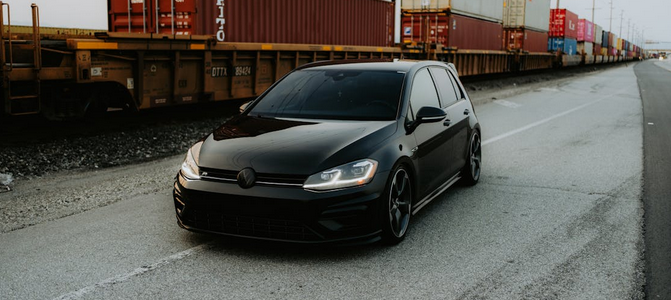
Relocating a home often involves more than furniture and boxes. Vehicles must also reach the new destination safely. Driving long distances is not always practical. Time constraints, multiple cars, or cross-country moves complicate logistics. Professional movers, preferably Hendon moving vans, coordinate car relocation alongside household transport. Their structured approach reduces stress and protects vehicles throughout the process.
Planning and Initial Assessment
Car relocation begins with detailed planning. Movers collect information about the vehicle type, distance, and delivery timeframe. They assess whether the move is local or interstate. Scheduling is aligned with household loading and unloading dates. This coordination prevents overlap and delays. Early planning sets a clear path for transport.
Choosing the Right Transport Method
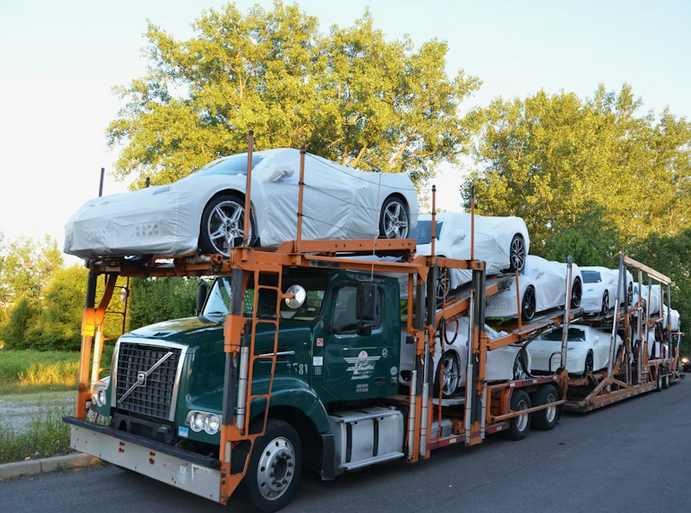
Professional movers evaluate transport options carefully. Open carriers are common and cost-effective. The choice depends on budget and vehicle value. Experts explain the differences clearly. Selecting the correct method ensures safe transit under suitable conditions.
Documenting and Vehicle Inspection
Before loading, the vehicle undergoes inspection. Existing scratches or dents are recorded. Photographs document its condition. This process protects both client and carrier. Clear documentation ensures transparency. It also simplifies claims if issues arise. Careful inspection establishes accountability from the start.
Securing Loading and Protection
Loading requires specialized equipment. Hydraulic lifts or ramps guide vehicles onto carriers. Wheels are secured with straps or chocks. Protective covers shield exposed surfaces. The vehicle remains stable during transit. Professional handling ensures minimal movement inside the carrier. Secure loading reduces vibration and impact risks.
Coordinating Timing With Household Moves
Car relocation often runs parallel to furniture transport. Professional movers synchronize both schedules carefully. Vehicles may depart earlier or later depending on the distance. Communication keeps clients informed of estimated arrival times. This coordination ensures clients have transportation access when needed at the new location.
Preparing the Vehicle for Transport

Proper preparation prevents complications during relocation. Movers advise owners to clean the car before pickup. Loose items are removed from the interior. Fuel levels are reduced to safe amounts. Alarms are disabled. Tires and battery condition are checked. These steps ensure smooth handling and secure loading.
Monitoring Transit and Delivery
During transit, logistics teams track shipment progress. Updates are provided regularly. Estimated arrival windows are confirmed in advance. Upon delivery, the vehicle is inspected again. Documentation is reviewed against initial records. This step ensures consistency and transparency at completion.
Handling Long-Distance and Cross-Country Moves
Long-distance relocations require additional coordination. Route planning accounts for weather and road conditions. Regulatory requirements are followed carefully. Carriers operate under licensing standards. Experienced movers adapt to regional variations. These measures ensure compliance and safe travel across state lines.
Reducing Stress Through Professional Oversight
Car relocation adds complexity to home moves. Managing both tasks independently increases pressure. Professional movers simplify the process. Their structured system integrates vehicle shipping with household logistics. Clients benefit from clear communication and steady oversight. The result is a streamlined relocation experience.
Professional movers handle car relocation through careful planning, secure transport methods, and clear coordination. Inspection, documentation, and preparation protect vehicles throughout transit. Synchronizing vehicle delivery with home relocation reduces disruption. With utmost attention to safety and timing, experts ensure cars arrive securely alongside household belongings. Professional oversight transforms a complex process into an organized transition.…





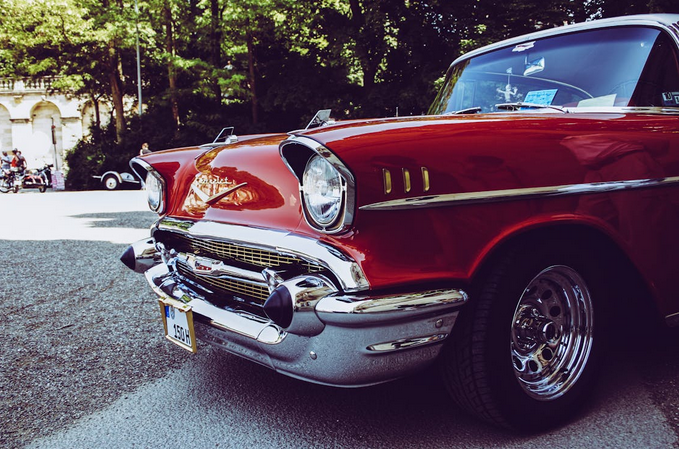
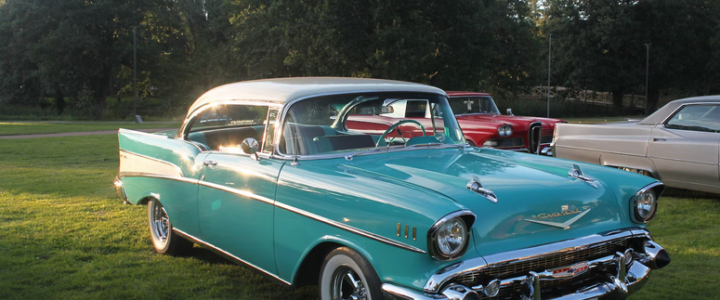

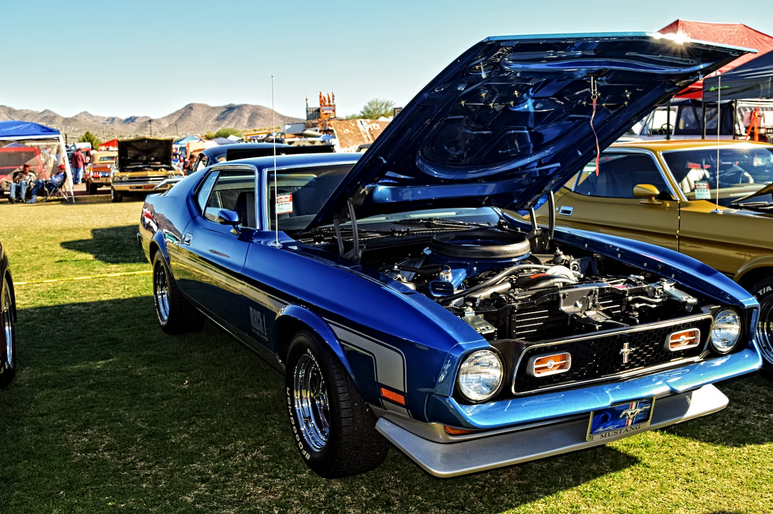

 Whether you plan to keep your vehicle for the long haul or sell it in the future, understanding its market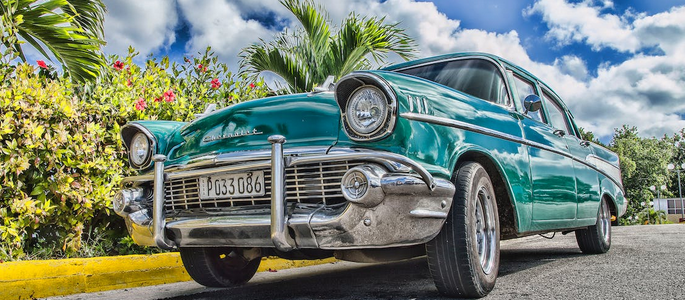

 Finally, many car collectors appreciate the tight-knit community that has grown around the hobby. From classic car shows to meetups and forums, there are plenty of opportunities for enthusiasts to connect and share their passion. This can be a great way to make friends who understand your interest in classic cars and learn more about the hobby.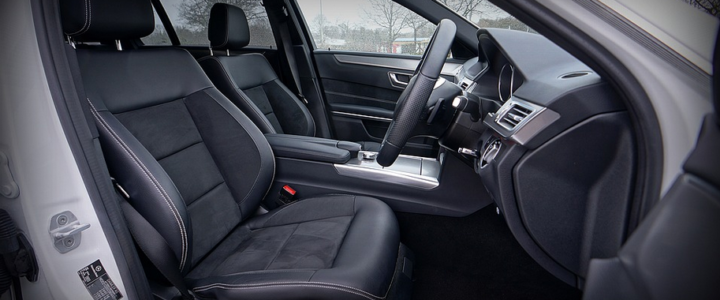
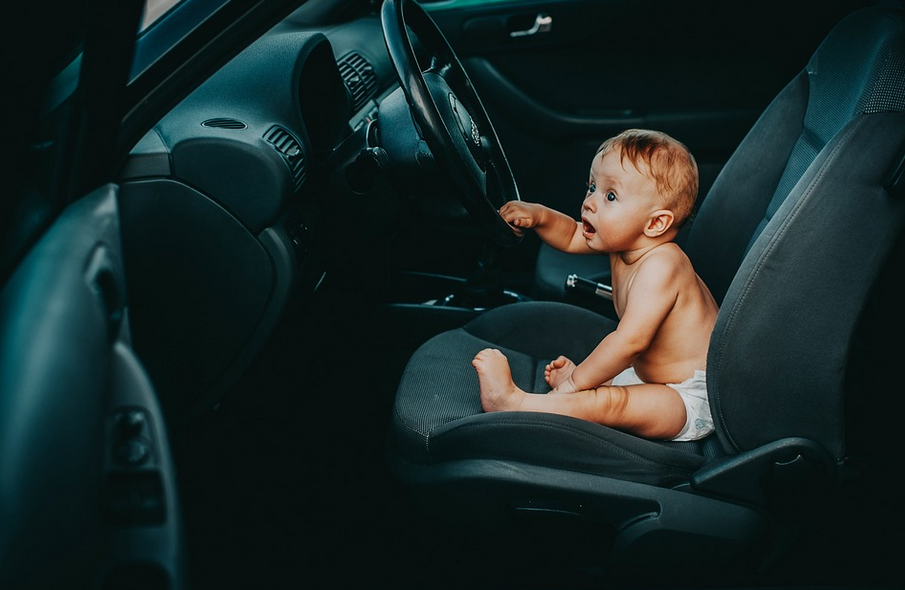 Regarding child car seat safety, the rear-facing infant car seat is considered the safest option for babies and toddlers. This type of car seat is designed to support the head, neck, and spine in the event of a collision. It is important to note that rear-facing car seats should only be used in the backseat of a vehicle. If you have an infant or toddler, we highly recommend that you invest in a rear-facing car seat. Not only is it the safest option for your child, but it will also give you peace of mind knowing they are as safe as possible while on the road.
 Once your child outgrows their rear-facing car seat, they need to transition to a forward-facing seat. This type of seat is designed for children at least four years old and weighing at least 40 pounds. In a collision, forward-facing car seats support the head, neck, and spine. Just like rear-facing car seats, forward-facing car seats should only be used in the backseat of a vehicle.

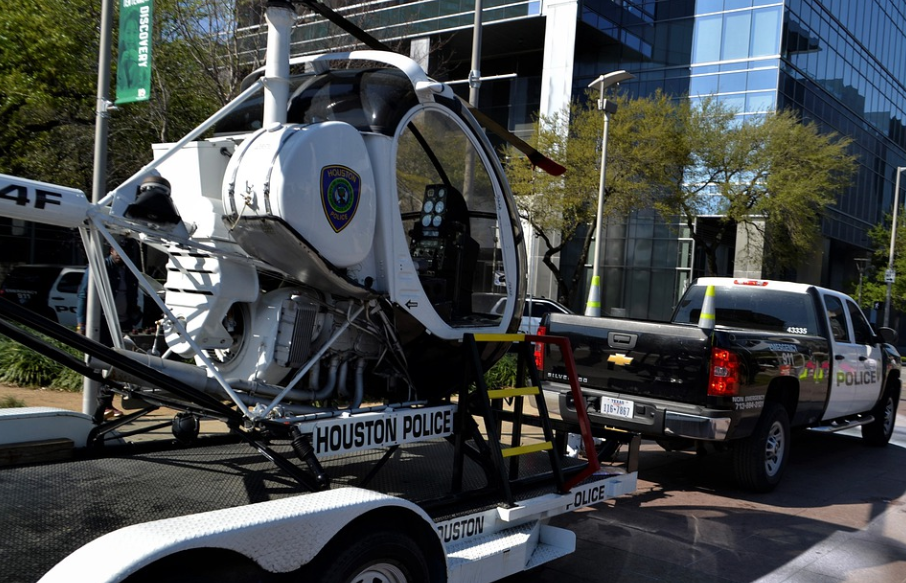 Another reason why off-road trucks are better than regular trucks is that they have a higher towing capacity. This is thanks to their stronger engines and suspension systems. Off-road trucks can typically tow up to 12,000 pounds (5440 kg), while regular trucks can only tow around 9000 pounds (4082 kg). This extra towing capacity comes in handy when you need to tow a heavy load, such as a boat or a camper.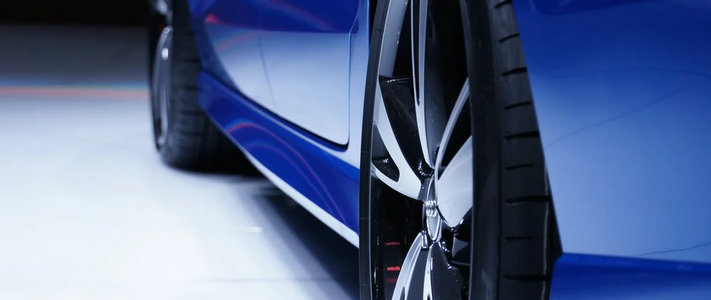
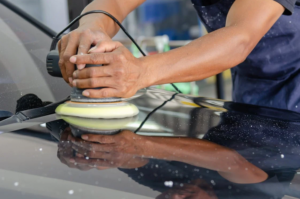 Another reason people might want to paint their cars is to make a statement. This could be anything from political views to environmental causes. Some people paint their cars neon green to convince people to go green, some paint them pink to support breast cancer awareness, and some paint them black to mourn the loss of a loved one. Whatever the statement is, painting your car is a great way to get it out there because painting your car allows you to show your support for something or stand up for what you believe in.
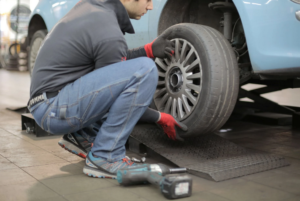 One of the best things that you can do to reduce your carbon footprint is to keep your car in good condition. Make sure that you are getting regular tune-ups and oil changes. When your vehicle is running efficiently, it produces less pollution. You should also check the tire pressure regularly and ensure that they are correctly inflated. It will save you money on gas, and it will also help reduce your carbon footprint. If your car needs repair, take it to a mechanic specializing in green maintenance. They can help you install energy-efficient light bulbs and update your engine to be more fuel-efficient.
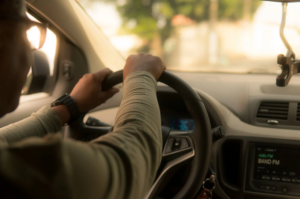 Another way you can reduce your carbon footprint is by taking mass transit to work. If there’s not a bus that goes directly from your home to your office, take the carpool lane. You can also try walking or biking when possible. If you live near enough to walk, it will help get some exercise in for the day. You can also walk to a bus stop and take public transit from there. If you have several people who work in your office building, consider starting a carpooling group. Each involved person will only need to drive once or twice a week, so it’s an easy way to reduce pollution while saving money on gas.
 When visibility is poor, such as at night, in foggy conditions, or during thunderstorms, it is much more difficult to see individual vehicles on the road. Headlights and taillights greatly increase visibility and not only show you more of the road, but also make it easier for other drivers to access your vehicle. Broken vehicle lights can hinder you to see in the dark or inclement weather, increasing your risk of getting rear-ended or sideswiped.
 Tires are expensive, and to keep them in shape, make sure your tire has the correct air pressure and regularly check for cracks, wear, bulges, holes, and slipped belts while you’re pumping gas. Don’t deflate your tires too much or too little, as this can reduce fuel consumption by about 15 percent. Another difficulty caused by under-inflated tires is that they can affect handling and maneuverability, which leads to accidents.
 We found a suitable screw along with an ideally sized toaster and screwed the thread into place.Yes, I know it will probably come loose again, but it may take a while. However, these batteries don’t last forever. They give 2 to 7 decades, along with the longer life that comes from not releasing them completely between charges and storage. I do this so I can help with a fortune for the next five years. If I lose it, I add a slightly larger screw or try to find someone here who has a collection of taps.