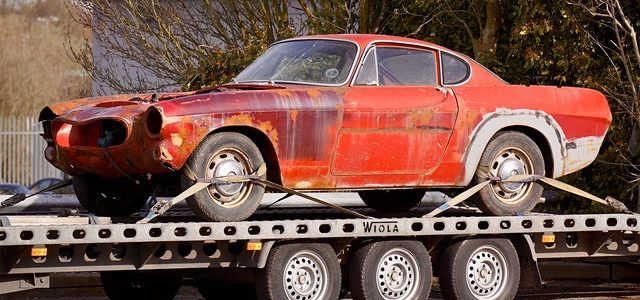

Choosing the right price to Sell Old Cars can be a daunting process. Many buyers are looking for a great deal and sellers want to get the best possible return on their vehicles. Fortunately, there are some established methods that you can use to ensure that your pricing strategy is fair and realistic. In this article, we’ll discuss the best practices for setting prices on used cars, from researching other sales to understanding your costs. With these tips, you’ll be able to make an informed decision about how much to charge for your pre-owned vehicle.
Research the Market
To get a good idea of what price you should set for your car, it’s important to know what similar cars are selling for. Take a look at listings from other dealerships and online classified ads to get an idea of the going rate. This will also help you see how competitively-priced your car is in relation to others on the market.
Understand Your Costs
Before setting a price, it’s important to take into account all of the costs associated with the car. This includes the purchase cost and any repairs or upgrades you have made, such as changing the oil, buying new tires, etc. Once you’ve added these up, you can factor in your profit margin to come up with a reasonable price.
Factor in Incentives
Many dealerships offer incentives or discounts for buyers looking to purchase used cars. Consider offering your own incentives, such as including maintenance packages or extending warranties, to make your car seem more attractive and competitively priced.
Test Out Different Prices
Before settling on a final price, test out different prices to see how buyers react. This will help you understand where the market is at and what buyers are willing to pay for your car. Most of the time, you won’t be able to get the exact price you want, but by testing out different prices, you can ensure that you get a fair return on your vehicle.
Be Flexible
It’s important to be open to negotiation once potential buyers start expressing interest in your car. They may be willing to come up in price if they feel that they are getting a good deal or if you sweeten the pot with some special incentives. Be flexible and willing to consider offers in order to get the best possible return on your vehicle.
In Conclusion
The moment your car is ready to sell, it’s important to have an accurate pricing strategy in place. The tips outlined above will ensure you get the best possible return on your car without undervaluing it or losing out on potential buyers. With a bit of research and flexibility, you can ensure you get the most for your used car.…

 To keep your classic car running smoothly, you must stay on top of regular maintenance. This includes things like oil changes, tire rotations, and brake inspections. It’s also essential to have your car serviced by a mechanic who is experienced with classic cars and understands your vehicle’s unique needs. Another essential aspect of regular maintenance is keeping an eye on the car’s fluids, including engine oil, transmission fluid, coolant, and brake fluid.
 Proper storage is crucial for maintaining the condition of your classic car. If you plan to store your vehicle for an extended period, it’s essential to take steps to protect it from the elements. This includes covering the car with a high-quality car cover, keeping it in a dry and well-ventilated space, and using a moisture absorber to prevent rust and mildew. It’s also a good idea to take preventative measures before storing your car.
 Despite your best efforts, your classic car may still experience some problems from time to time. Common issues include dealing with a leaky radiator, which can be caused by a faulty thermostat, checking spark plugs and wires for any signs of wear or corrosion, and dealing with electrical problems such as weak headlights or instrument panel lights. Finally, if your classic car needs more complex repairs or restoration work, it’s crucial to find a reputable mechanic who is experienced with working on vintage vehicles.

 Maintaining your battery condition is also essential for maximizing range. This means regularly checking and cleaning battery terminals and keeping an eye on the overall condition of your battery. If you notice any degradation in performance, it’s essential to have your battery checked by a professional to make sure it’s still in good condition. in addition, it’s important to avoid letting your battery run completely dry. If you do, it could shorten the overall lifespan of your battery.