
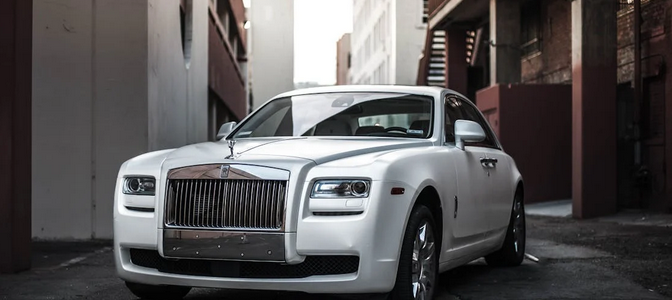
Every so often, a car rolls off the line and quietly changes everything. No fireworks. No trumpet blast. Just steel, rubber, and an idea ahead of its time. Collectors, restorers, and historians often trace these turning points through places like the Beverly Hills Car Club, where yesterday’s breakthroughs still sit on polished concrete. These machines did more than move people. They shifted standards, sparked copycats, and forced rivals back to the drawing board. Check out this post for some legendary cars that make you drive in pride.
Ford Model T
The Model T didn’t aim to impress. It aimed to multiply. Henry Ford’s real innovation sat behind the scenes, where assembly lines replaced slow craftsmanship. That shift made cars accessible, not elite toys for the wealthy. The design itself stayed simple, almost stubbornly so. This vehicle taught the industry that scale matters. Repairs became easier. Parts became interchangeable. Roads filled up fast, and cities had to adapt. That ripple still spreads today. Its standardized parts also simplified repairs, which reduced downtime and lowered ownership costs. That manufacturing logic later shaped assembly lines across multiple industries, not just automotive.
Volkswagen Beetle

The Beetle looked odd even in its own time. Rounded edges. Rear engine. No flashy muscle. Yet that oddball formula proved resilient. It ran reliably in heat, cold, and neglect. Its real impact lived in consistency. Decades passed with minimal redesign. Manufacturing stayed efficient. Drivers trusted it blindly. Few cars managed that level of long-term acceptance. Its air-cooled engine eliminated the need for a radiator, cutting mechanical failure points. That engineering choice helped the car perform consistently in both cold and hot climates.
Chevrolet Corvette C1
America wanted a sports car with attitude. The Corvette answered, even if the early versions stumbled a bit. Fiberglass construction was a gamble then. It paid off. Weight dropped. Styling sharpened. Under the hood, evolution came quickly. Engineers chased speed without bloating the body. That mindset helped American performance earn global respect. It also kicked off a rivalry that still hums.
Porsche 911
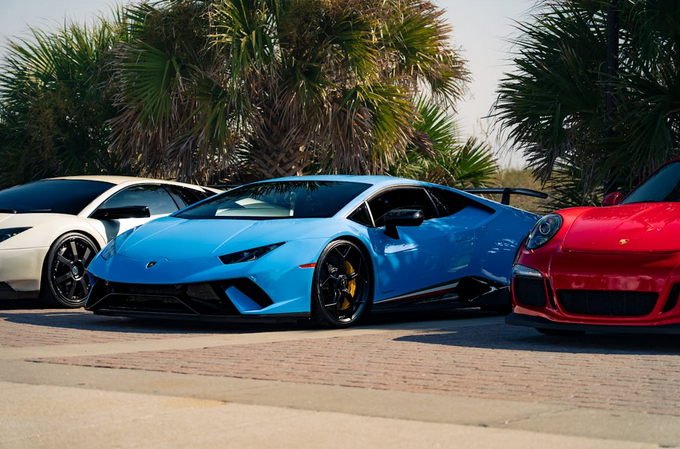
Rear-engine layouts scare most designers. Porsche leaned in. The 911 balanced risk with refinement and refused to apologize. Over time, small adjustments replaced full reinvention. That decision preserved identity. Fans knew the silhouette instantly. Engineers focused on tuning instead of reinvention. The lesson was clear: consistency can outperform constant reinvention. The rear-engine layout created traction advantages that influenced later performance tuning methods. Over decades, incremental updates preserved its core architecture while steadily improving handling precision.
Jaguar E-Type
Enzo Ferrari once called it the most beautiful car ever made. Hyperbole aside, the E-Type blended art and speed with rare confidence. Disc brakes, independent suspension, and aerodynamic lines arrived together. Its price surprised competitors. Performance matched far costlier machines. That forced a rethink across Europe. Beauty no longer had to be slow or fragile. These cars didn’t succeed because they chased trends. They created them. Each one challenged accepted limits, sometimes awkwardly, sometimes brilliantly. The industry responded by adapting or fading away. That’s how progress tends to work.
Modern vehicles carry these ideas quietly. Modular parts. Long production runs. Brand identity over constant redesign. Even today’s electric platforms echo lessons learned decades ago. The golden era never truly ended. It just changed clothes and kept driving forward.…